Strength and Recovery Over 50: When the Work Stops Working, Measure Why
Brad Wasson, DO, Board-Certified Family Medicine, Longevity Specialist
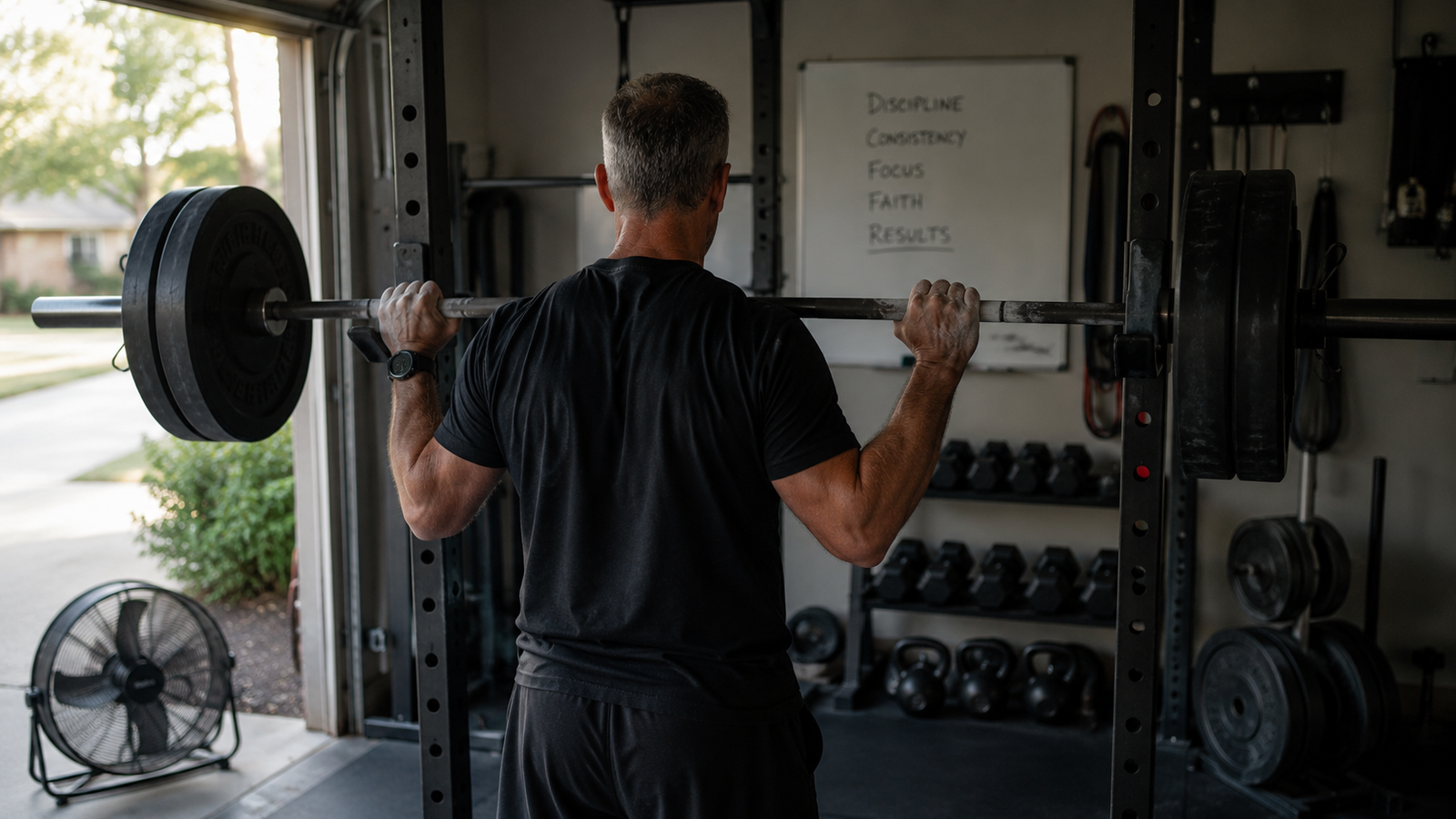
You still train. That is what separates you from most men your age, and it is also why this is so frustrating: the same work that built you at 35 is returning less at 55. Sessions that used to cost you a day now cost three. A tweaked shoulder lingers for a month. The lifts stall, the recovery drags, and doubling down on effort, the move that always worked, stopped working.
That is not a character problem, and it is not a reason to quit. It is a set of measurable changes in your physiology, and measurable problems are the kind medicine can actually engage with.
To be clear about what this page is not: it is not a promise to make you 35 again. Nobody honest sells that. What we offer is an answer to a more useful question: what specifically changed in your body, and what does a medical plan aimed at those specifics look like.
Why Effort Stops Paying Off After 50
The changes are individually small and collectively decisive. Muscle tends to become less responsive to the same training stimulus with age, so the identical workout signals less adaptation than it once did. Hormone levels that support muscle maintenance and repair commonly shift downward through the 40s and 50s. Inflammation from hard sessions tends to resolve more slowly, which is why the soreness window stretches. Sleep often gets lighter and more fragmented, and much of physical repair happens during sleep. And connective tissue recovers on a slower clock than muscle, which is why the strains that used to vanish in days now hang around.
None of these show up on a bathroom scale or a training log. All of them show up in lab work and history. That is the difference between guessing harder and measuring.
What Is a Strength and Recovery Program for Men Over 50?
A strength and recovery program for men over 50 is a physician-guided medical program that starts with lab testing to identify the age-related changes affecting muscle, recovery speed, and repair, then builds a personalized treatment plan around those results. Rather than prescribing more training or generic supplements, it addresses the measurable factors: hormonal shifts, inflammation, metabolic markers, and recovery capacity. The structure is labs first, a licensed-provider consultation second, and ongoing adjustment as the data comes back. Delivered through telehealth, the entire program runs online.
How the Program Works
Labs-First Methodology: we look at the engine before we add the fuel. Every step below follows from that.
Step 1: Measure What Changed
Two panels were built for exactly this situation. The Strength Protocol panel starts at $99 and covers the metabolic foundation. The Performance & Lean Muscle panel, at $249, adds the hormone markers most relevant to muscle maintenance and recovery. Gold tiers of each add advanced assays such as IGF-1, which carry a higher lab cost, and your provider can tell you whether the added data is worth it in your case. Draws happen at a Quest location near you, the draw and provider review are included in the panel price, and you receive your raw results directly from Quest as well. Full menu on our lab testing page. If you already have recent lab work, bring it: we use recent labs rather than charging you to re-test.
Step 2: A 30-Minute Consultation With a Licensed Provider
You meet one-on-one, online, with a provider licensed in your state. Initial visits run about 30 minutes, follow-ups usually 15, and evening and weekend slots are available, which matters when training and work already own your calendar. Expect real questions: training history, injuries, sleep, what you have already tried. The panel is ordered during this consultation, and the panel price is your only lab cost.
Step 3: A Plan Built on Your Numbers
Your provider builds the plan from your labs and your history. Depending on what your results show, that may include peptide therapy protocols where medically appropriate, care aimed at recovery speed and injury & recovery, and guidance on the sleep and nutrition factors your labs implicate. Category and markers first, then treatment. Never the reverse.
Step 4: Retest, Compare, Adjust
You are a data person about your training; be one about your biology. Follow-ups track your labs against baseline and your lived results in the gym, and the plan gets adjusted on evidence, not vibes.
What to Realistically Expect & What Your First Month Costs
What to realistically expect. Structural repair takes 4-8 weeks. Recovery capacity tends to respond on the scale of weeks to months, not days, and the response varies man to man because the underlying causes do. Many patients find that once the measurable problems are treated, their training starts producing again. We do not promise that, and you should walk away from anyone who does. What we commit to is narrower and more honest: a correct measurement, a medical plan aimed at what it finds, and adjustment until the data and your experience agree.
Your first month, in full. Three components. The consultation: $199 for the initial protocol-design visit, with follow-ups at $149. The panel: from $99 for the Strength Protocol, $249 for Performance & Lean Muscle, more for Gold tiers. Medication, if your provider prescribes any: billed separately at pass-through pharmacy pricing and quoted to you before anything is prescribed, so you approve the number first. With the base panel that is $298 in clinic fees for month one, plus only what you have explicitly approved. Everything is itemized on our pricing page, and if you bring usable recent labs, the panel line drops to zero.
Who You’ll Work With
New Genesis Vitality is a physician-led telehealth practice with US Board-Certified Physicians and Practitioners with over 80 years of combined experience. The educational content on this page is reviewed by Brad Wasson, DO, Board-Certified Family Medicine and Longevity Specialist. Your care visits are with providers licensed in your state:
- Texas: Jeff Beaty, DO; Keith Kirbow, APRN. More on telehealth care in Texas.
- Florida: Jeff Beaty, DO; Brad Wasson, DO; Keith Kirbow, APRN. More on telehealth care in Florida.
- Arkansas: Jeff Beaty, DO; Jeffrey McWilliams, MD. More on telehealth care in Arkansas.
- Louisiana: Jeni Baker, MD; Jeffrey McWilliams, MD. More on telehealth care in Louisiana.
- Oklahoma: Jeffrey McWilliams, MD. More on telehealth care in Oklahoma.
- Colorado: Keith Kirbow, APRN; Jeni Baker, MD. More on telehealth care in Colorado.
- Oregon: Keith Kirbow, APRN. More on telehealth care in Oregon.
The peptide therapy category itself, including how prescriptions and lab requirements work through telehealth, is covered on our online peptide therapy page.
Straight Answers
Why is my recovery so much slower after 50, even though I train consistently?
Because several systems that drive repair change with age at once: muscle becomes less responsive to the same training stimulus, hormone levels that support maintenance and repair commonly decline, inflammation resolves more slowly, and sleep quality often drops. Consistent training helps, but it cannot see which of those factors is doing the damage in your case. Lab work can, which is why this program starts there.
What lab tests should a man over 50 get before starting a strength program?
A useful baseline covers metabolic health, hormone levels relevant to muscle maintenance, and inflammation markers. Our Strength Protocol panel (from $99) covers the metabolic foundation, and the Performance & Lean Muscle panel ($249) adds the hormone markers; both are reviewed with you by a licensed provider and both are listed on our
lab testing page. If you have recent labs, bring them instead and skip the cost.
How long does it take to come back from an injury or strain after 50?
Longer than it used to, and honest medicine says so up front: structural repair takes 4-8 weeks. Soft-tissue recovery generally runs on a slower clock after 50 because connective tissue heals more slowly than muscle and inflammation takes longer to resolve. A physician-guided plan focuses on supporting the conditions for repair and on tracking it with data rather than guesswork. Anyone quoting you a fast, fixed timeline is selling something.
Can I do this program entirely online?
Yes, the entire program is online except the blood draw, which happens at a Quest location near you. Consultations, results reviews, and follow-ups are all telehealth visits with a provider licensed in your state, with evening and weekend slots available. We currently serve patients in Texas, Florida, Arkansas, Louisiana, Colorado, Oregon, and Oklahoma through a 100% online process.
What does a strength and recovery program cost?
$199 for the initial consultation and $149 for follow-ups, plus your lab panel, which starts at $99. Any medication your provider prescribes is billed separately at pass-through pharmacy pricing and quoted to you before it is prescribed, and superbills are available for HSA or FSA reimbursement. There are no membership fees; the complete price list is on our
pricing page.
Your Effort Is Not the Problem
You have already proven you can do the work. The question this program answers is why the work stopped paying, and the answer starts with your labs, not with another program telling you to push harder.
The plan going forward is a working relationship, not a transaction: baseline numbers, a provider who knows your history, retests that show movement or force a change of approach. You bring the consistency you already have. We bring the measurement and the medicine.
Book a consultation
Bring your training history and any recent lab work. Both get used.